
Liquids

Maxflow

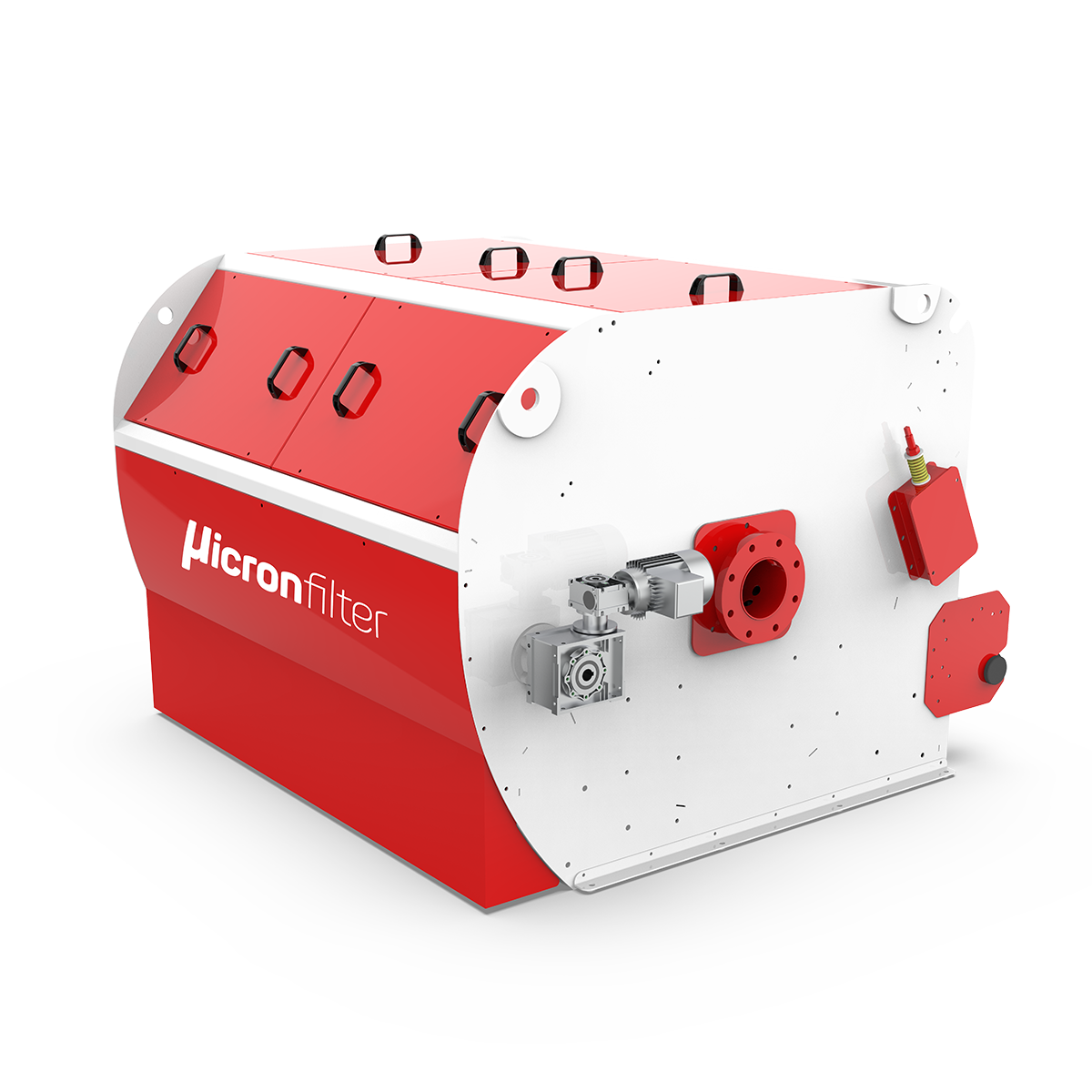
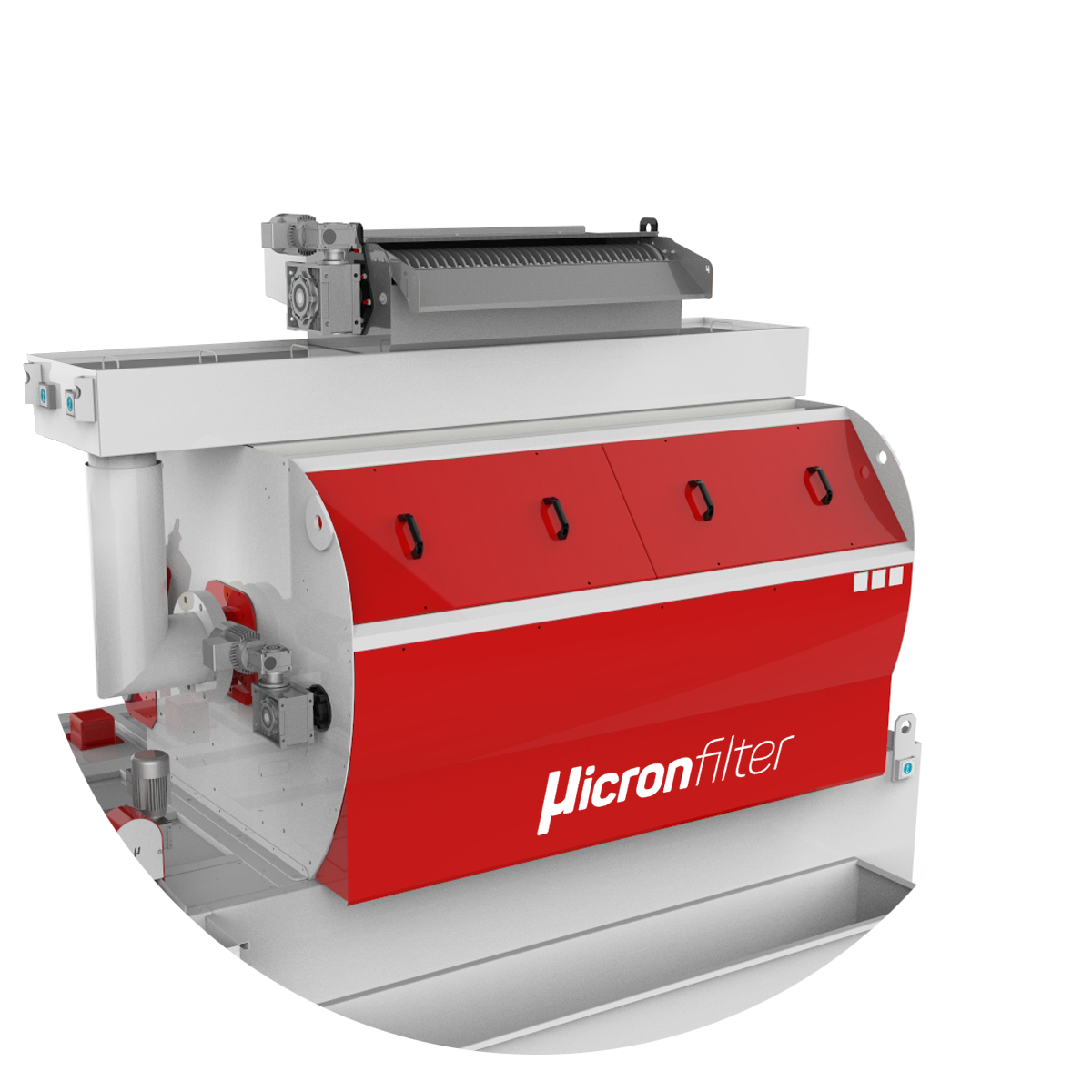
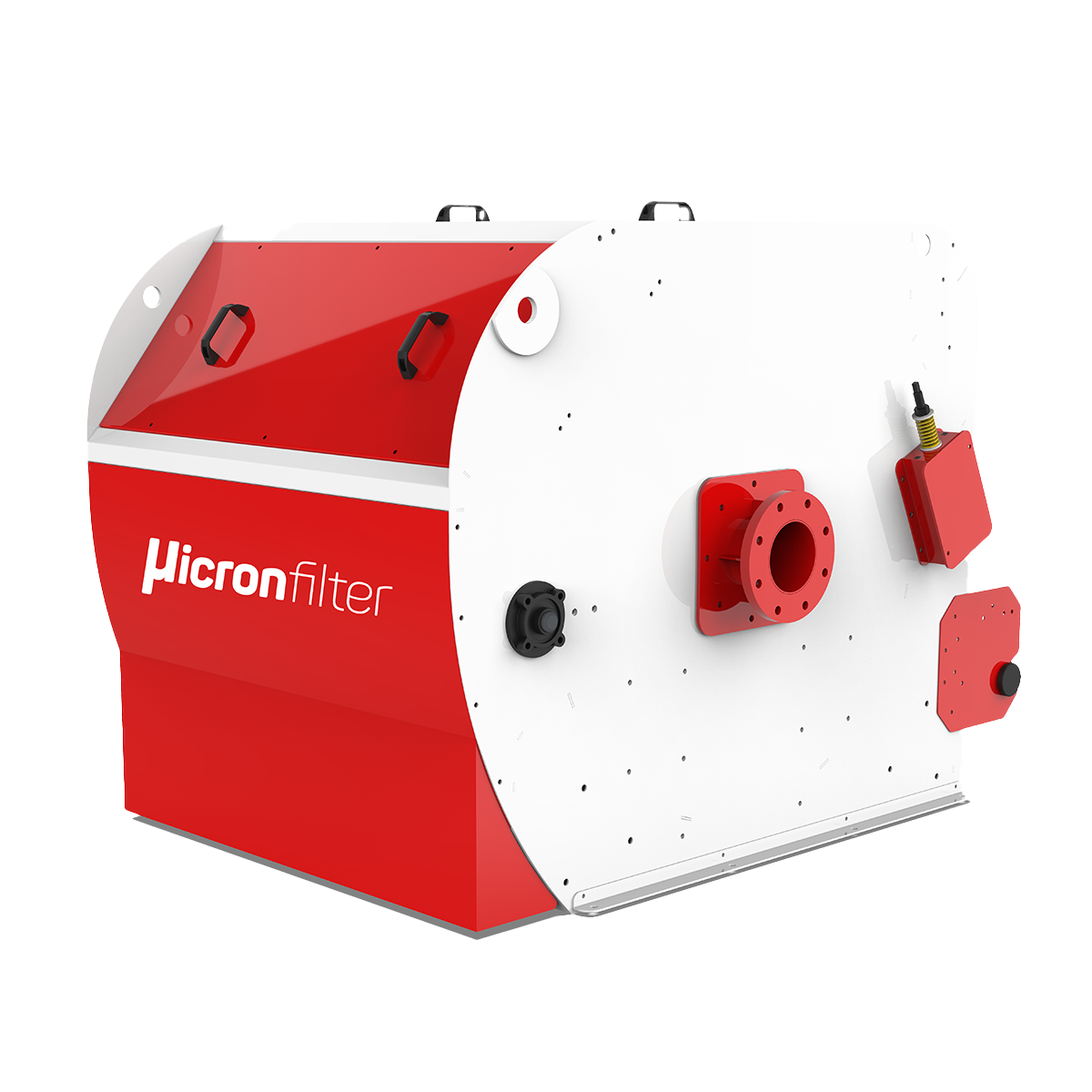
The Maxflow purifier is designed to handle high volumes of lubricating and cooling fluids in industrial processes such as wire drawing, rolling, grinding, and honing. Thanks to its ability to filter large quantities of lubricating and cooling fluid, it achieves high hydrostatic pressures that improve filtration efficiency and reduce filter media consumption. With flow rates of up to 2,000 l/min, Maxflow optimizes the management of industrial lubricating and cooling fluids, reducing operating costs and improving the quality of the final product. Its versatility and the possibility of customization with various options make it adaptable to the specific needs of each industrial application.

Maxflow Highlighted

  • High hydrostatic pressures High hydrostatic pressures
  • High filtration flow rates High filtration flow rates
  • Resistant Resistant

Maxflow Working Principle

  1. Contaminated liquid inlet and distribution via flow breaker
  2. Contaminated liquid accumulation
  3. Filter fabric
  4. Level control and fabric advancement
  5. Discharge of used fabric
  6. Filtered liquid discharge
Maxflow Working Principle

The contaminated liquid is evenly distributed in the accumulation area of the filter. Here, the liquid is forced to pass through the filter fabric by gravity. During this process, the contaminant particles are deposited on the filter media, intensifying the filtration effectiveness.

When the fabric becomes clogged, the level of dirty liquid rises, activating a level switch that advances the spent filter fabric, discharging it into a dedicated container.

Advantages Maxflow

  • Flow rates up to 2,000 l/m
  • Filtration from 10 to 60 microns
Maxflow Advantages
  • Reduction of filter media consumption
  • Advanced filtration thanks to the high hydrostatic head
Options
Maxflow

Options

Maxflow is ideal for creating centralized filtration systems for multiple machine tools, ensuring efficiency and optimal performance in complex work environments. The purifiers can also be customized with a series of specific options, such as custom-designed tanks for containing the coolant and magnetic disc pre-filtration for greater liquid purity. In addition, pumps are available for boosting the filtered liquid and electrical panels with PLC for integrated management of all functions.

Supplementary products and accessories

Kalamit

Kalamit

Magnetic separator for separating magnetic particles from emulsified oils.

Oil skimmer

Oil skimmer

Oil separation from the coolant lubricant.

Multilevel

Multilevel

Precise and safe management of the liquid level (minimum, maximum, maximum alarm).

Electric pump

Electric pump

Reintegration of filtered liquid into machine tools.

Chiller

Chiller

Cooling device to stabilize the temperature of the coolant lubricants.

Electrical Panel

Electrical Panel

Standard or customized to adapt to the needs of the machine tool.

Photocell

Photocell

Paper presence control, wired on the terminals and managed externally.

Used fabric rewinder

Used fabric rewinder

Used fabric rewinding system.

Frequently Asked Questions

How does Maxflow's automatic fabric feed cycle work?

Maxflow uses a fully automatic system: when the liquid level reaches the float, the gear motor starts feeding the fabric. The rotating disc transports the clean fabric onto the belt, while the dirty and clogged fabric is ejected. This cycle maintains constant filtering efficiency without interrupting the flow.

What filter fabric options does Maxflow offer?

Maxflow uses disposable non-woven fabric with different degrees of fineness to suit specific filtration requirements. The choice of fabric determines the degree of purification (fineness of porosity), allowing versatility in the treatment of different lubricants and oils while maintaining optimal performance.

What advantage does Maxflow's high hydrostatic head offer?

The high hydrostatic head allows the liquid to reach a greater height inside the filtration chamber. This increases the pressure of the liquid on the fabric, accelerating the filtration speed and allowing greater volumes to be processed compared to traditional flat bed filters of the same capacity with reduced dimensions.

How does Maxflow's end-of-roll control work?

Maxflow incorporates an end-of-roll sensor that monitors the thickness of the fabric remaining on the reel. When the thickness falls below 10 mm, the microswitch generates an electrical signal that activates a warning light to alert the operator. This allows for advance management of replacements, avoiding sudden breakdowns.